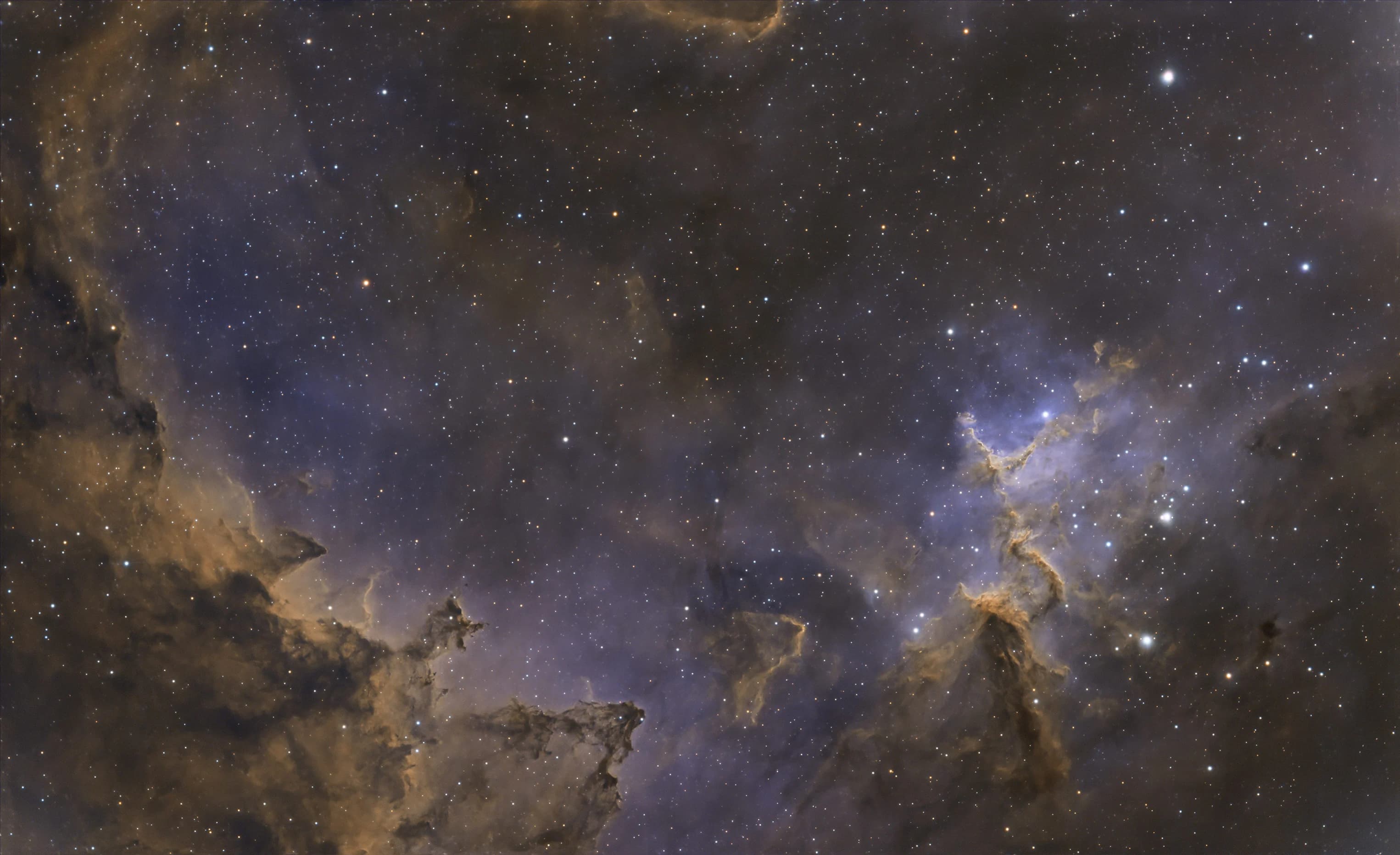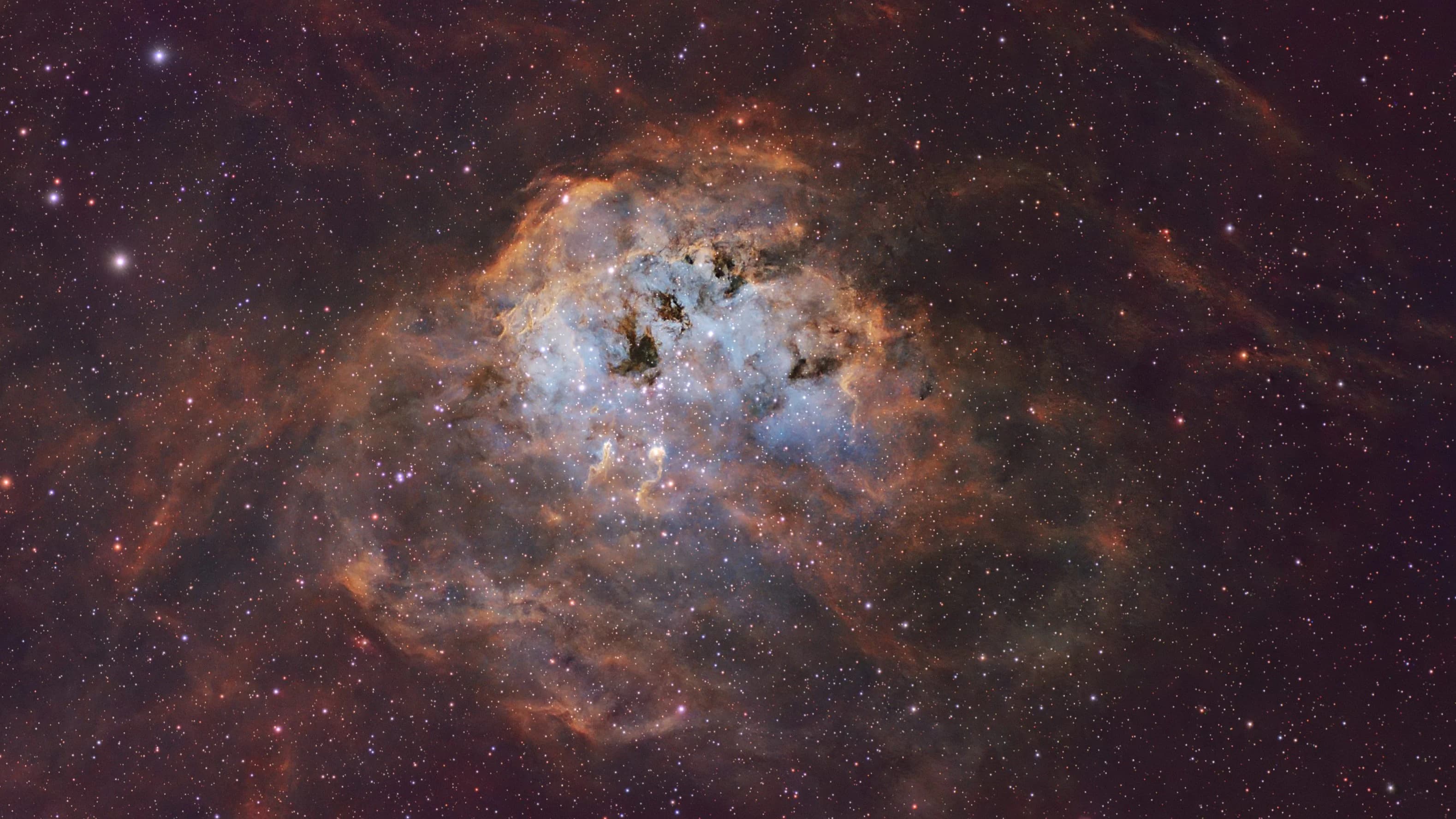
High-resolution narrowband SHO integration of the Tadpole Nebula (IC 410)in Auriga, showcasing dense star-forming gas clouds and internal dusty filaments.

Dr. Gopal Krishna KunwarObservatory

URBAN ASTROPHOTOGRAPHYBY AKSHAY KUMAR

Featured Signals

A curated selection of recent deep-sky acquisitions.
Explore Archive

The Observatory

Discover the equipment, techniques, and post-processing workflows at the Observatory

The Visual Array

Intercepting ancient photons.
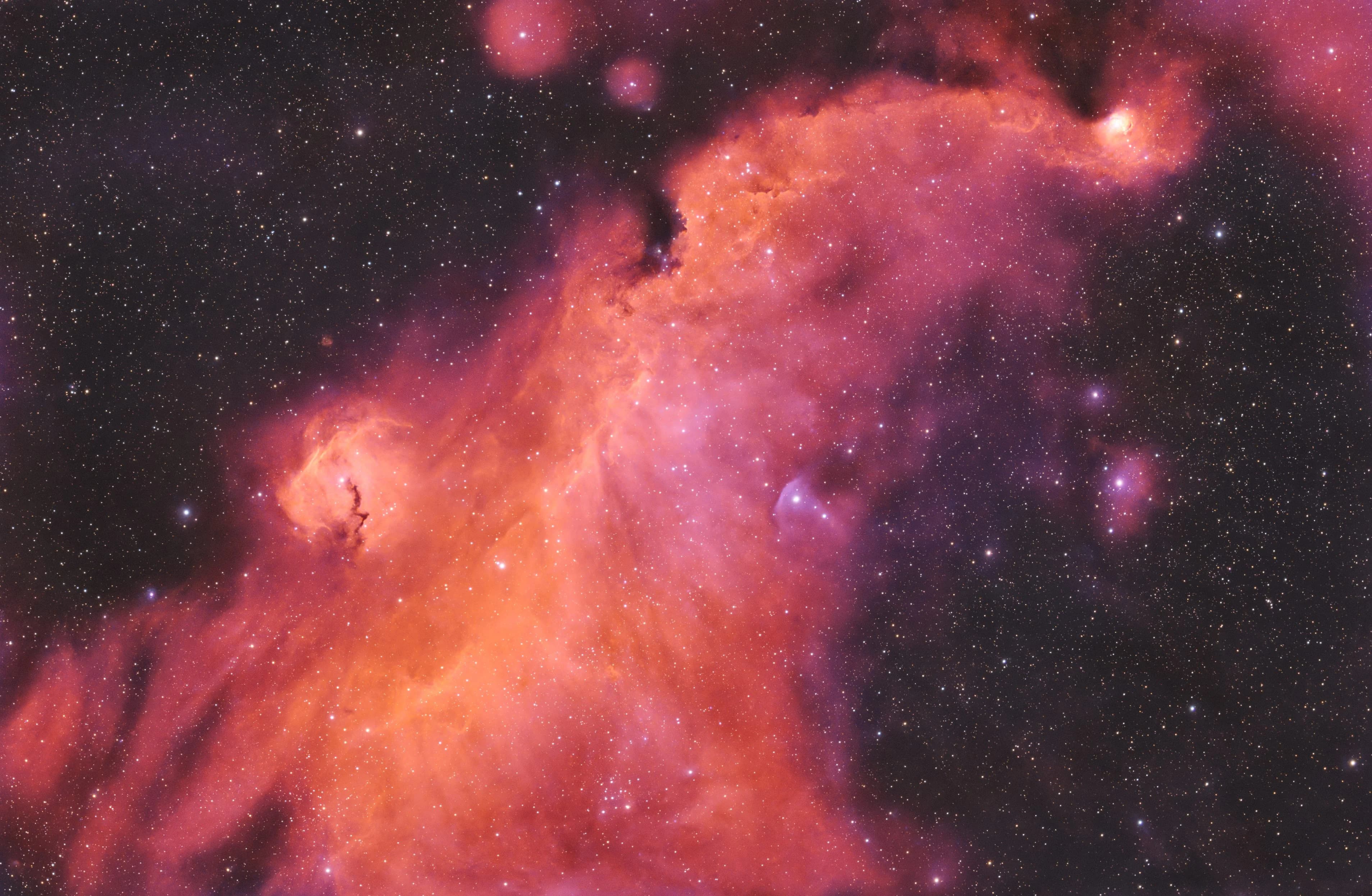
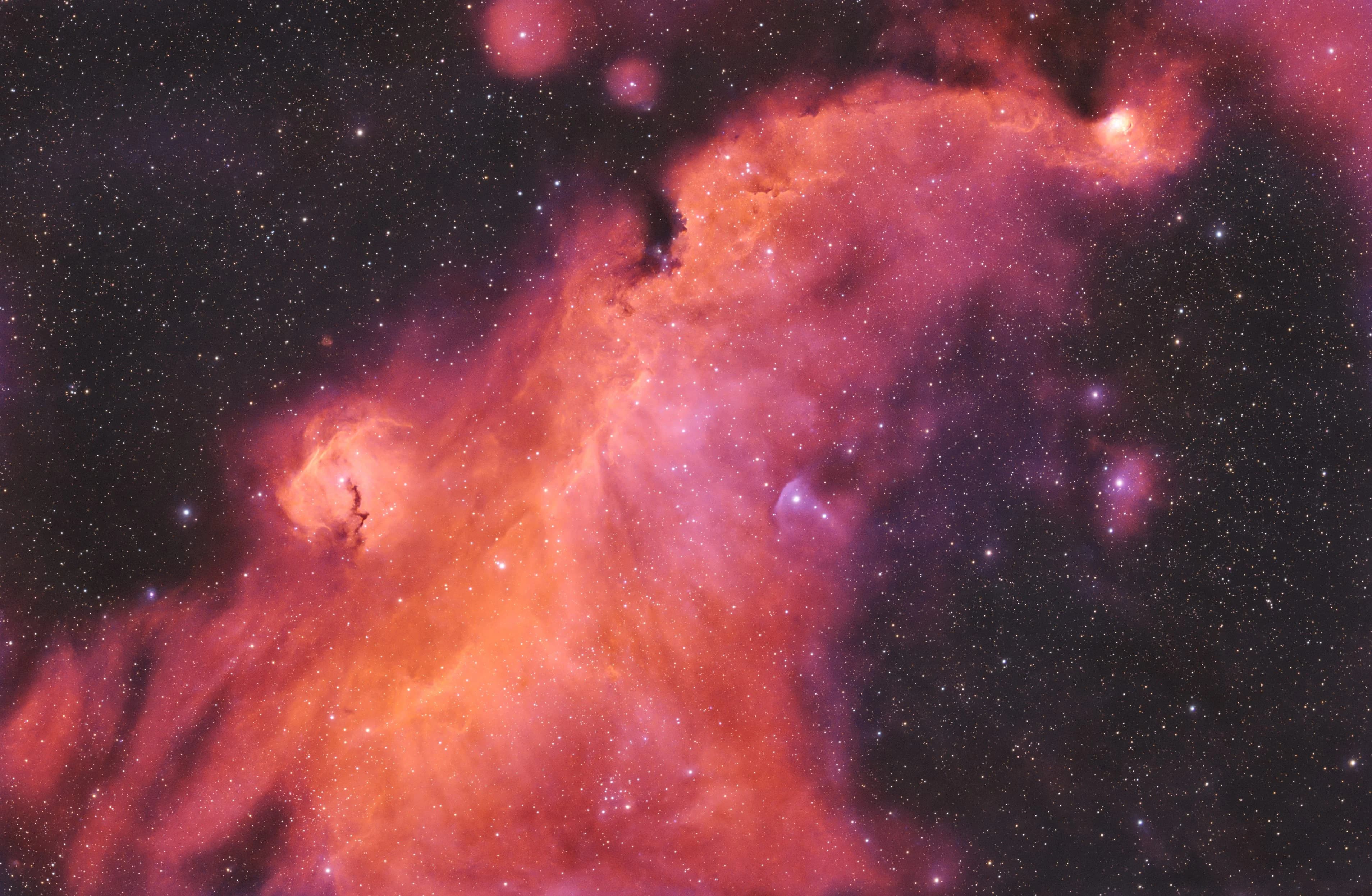
The Seagull Nebula (IC 2177) processed in a Dynamic HOO palette to highlight faint oxygen emissions.
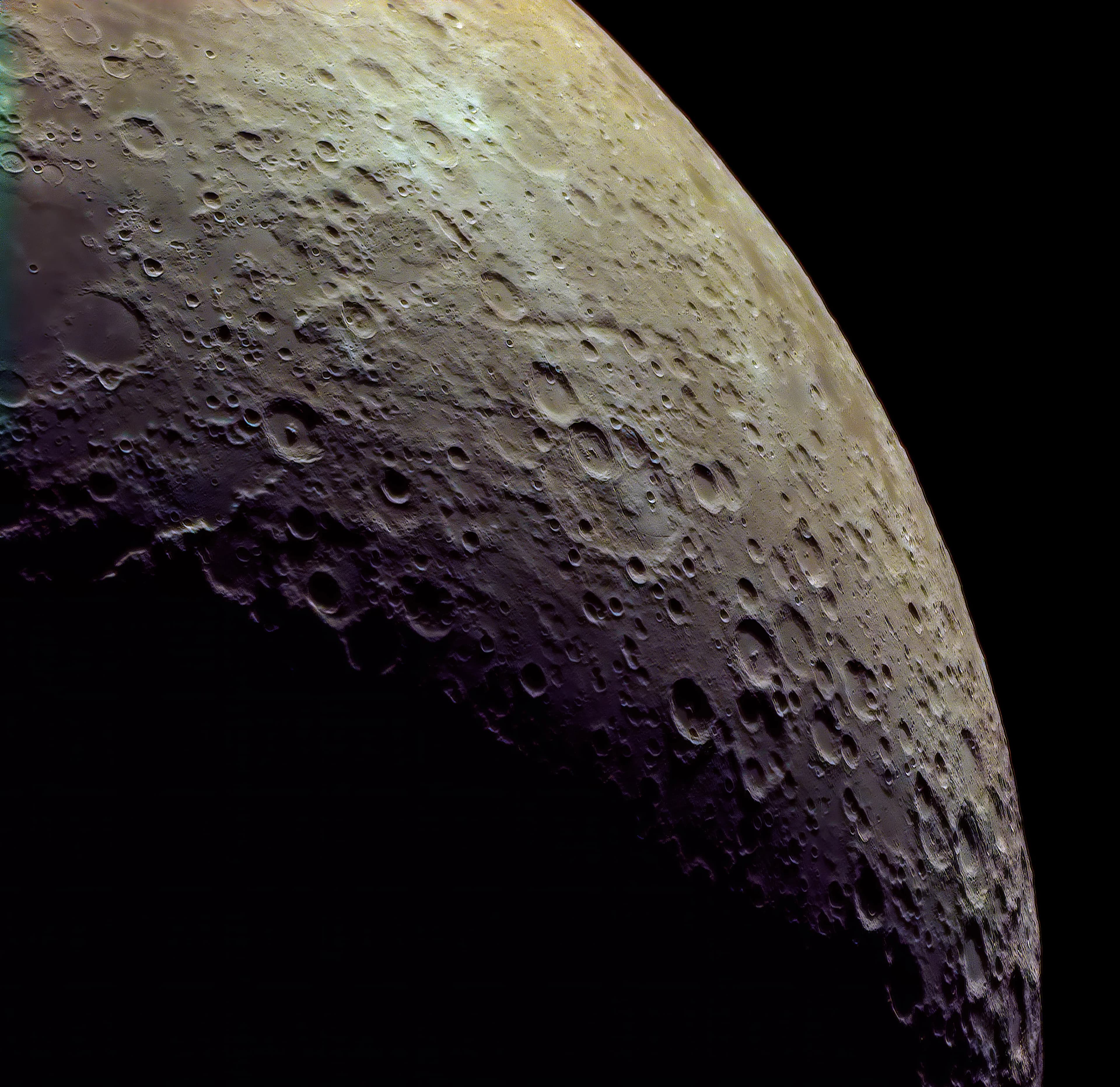
Extreme close-up of the lunar terminator showing long shadows cast by deep craters along the limb.
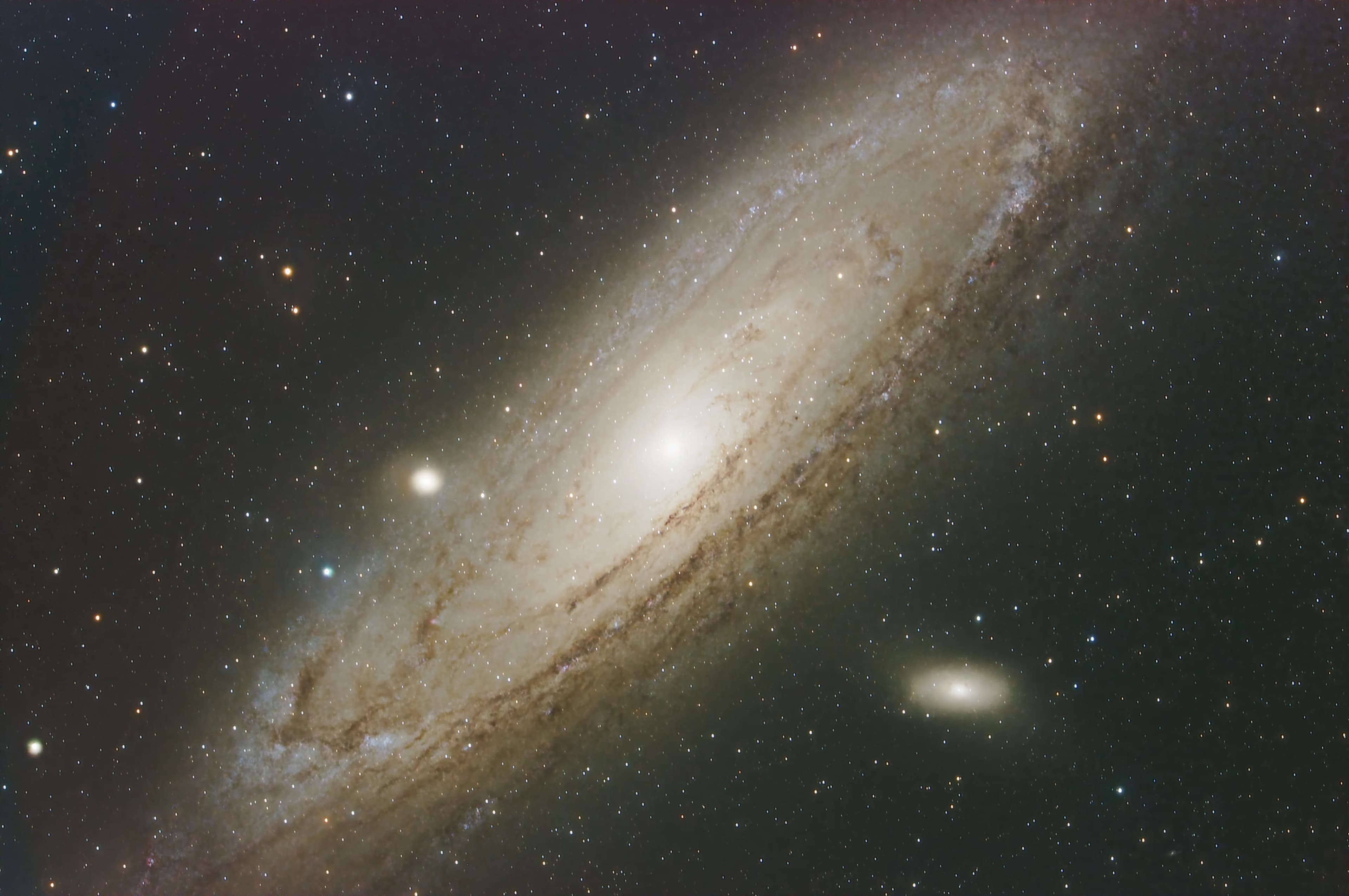
The Andromeda Galaxy (M31) and its satellite galaxies M32 and M110.
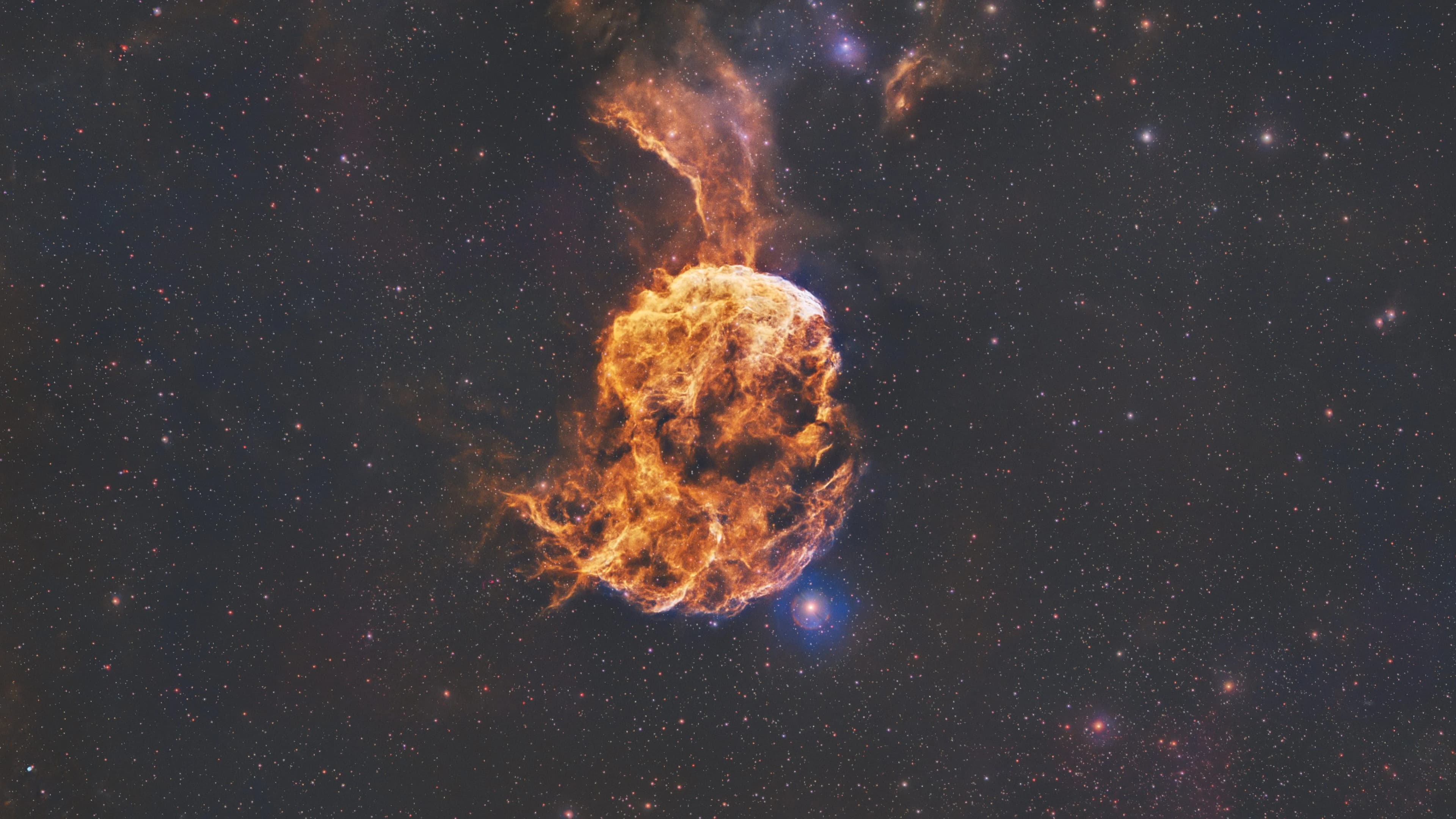
The Jellyfish Nebula (IC 443) supernova remnant mapped in the Hubble SHO palette.
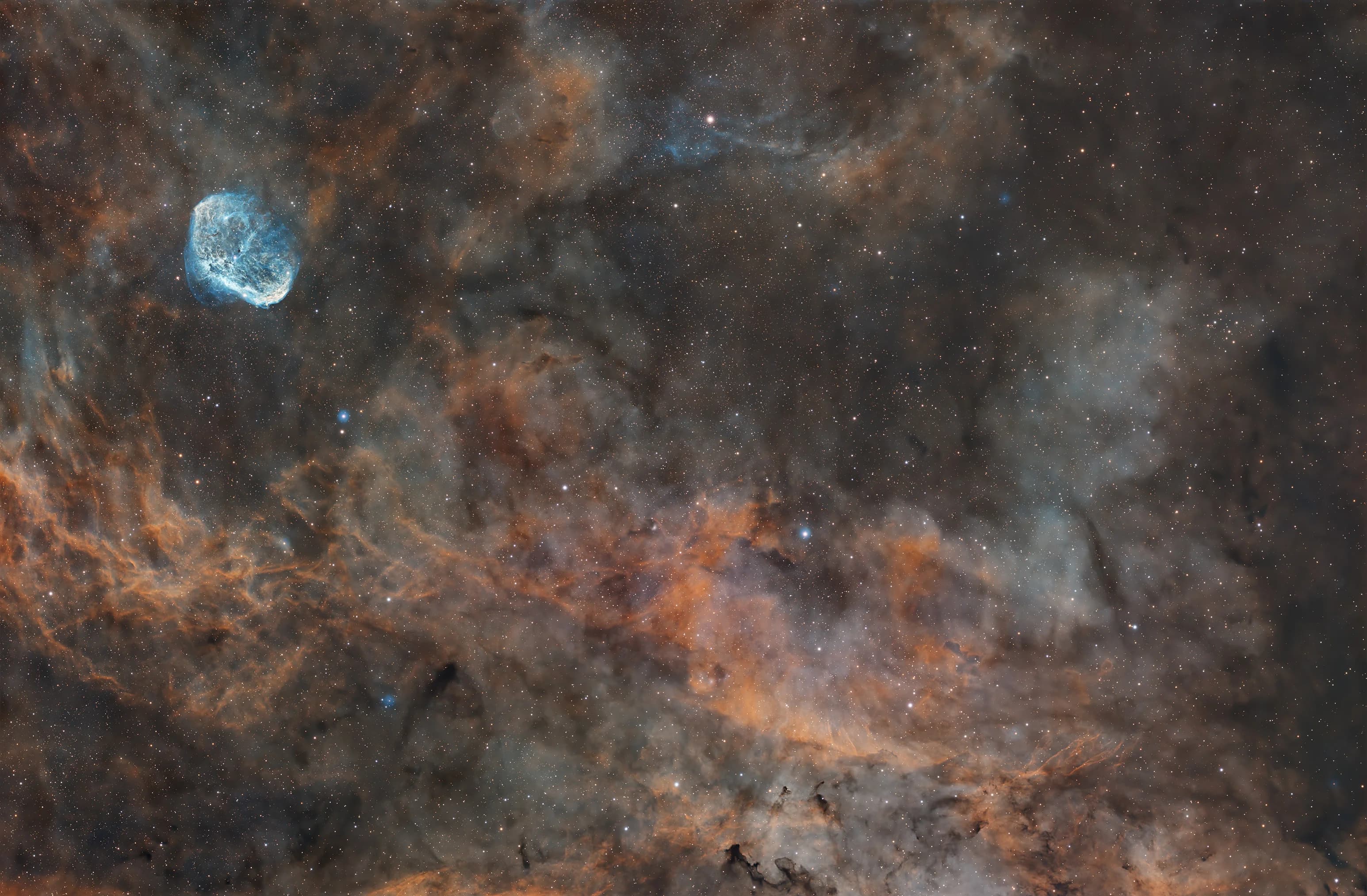
The Crescent Nebula (NGC 6888) emission nebula in Cygnus.
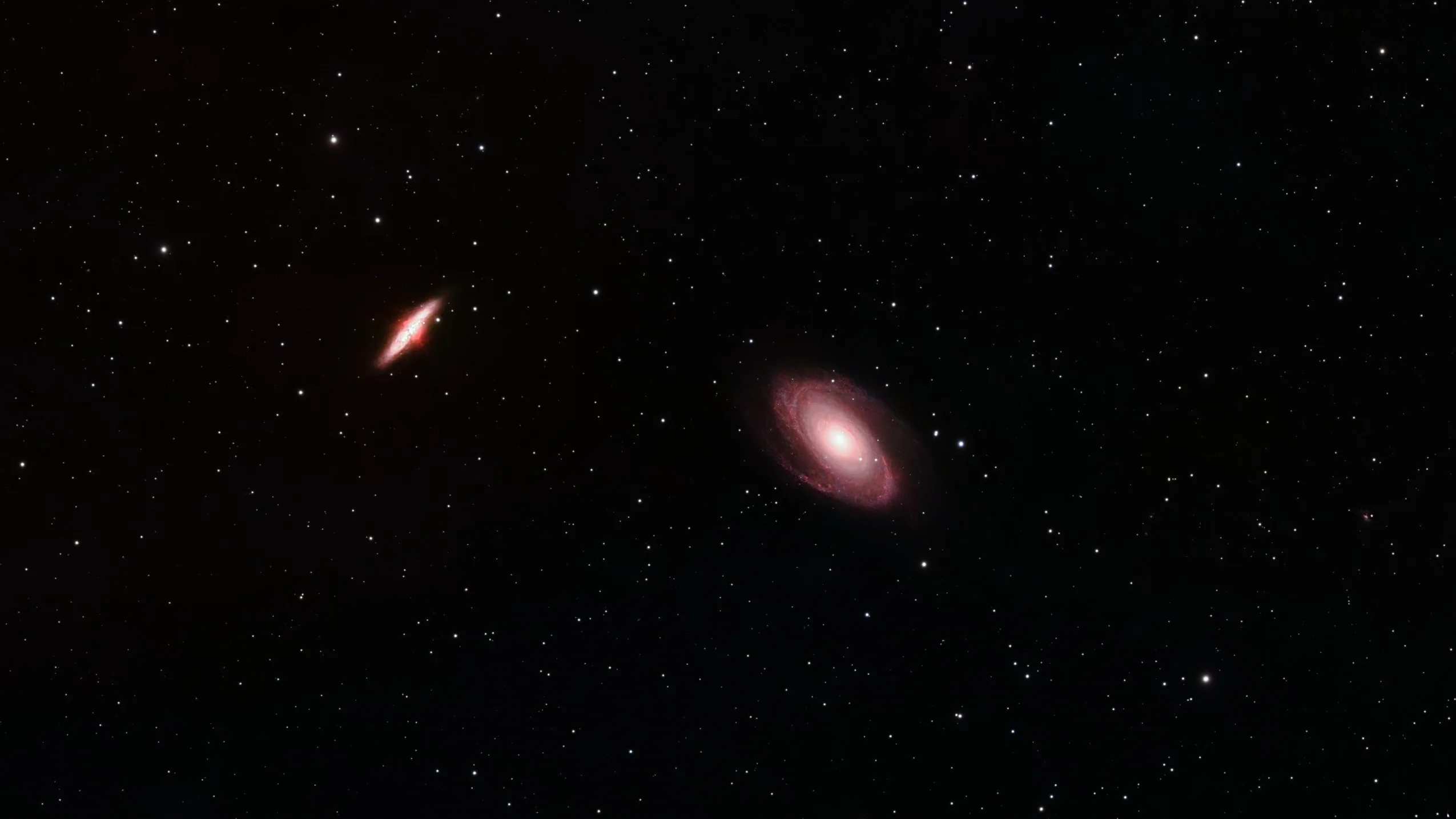
Bode's Galaxy (M81) and the Cigar Galaxy (M82) interacting in Ursa Major.
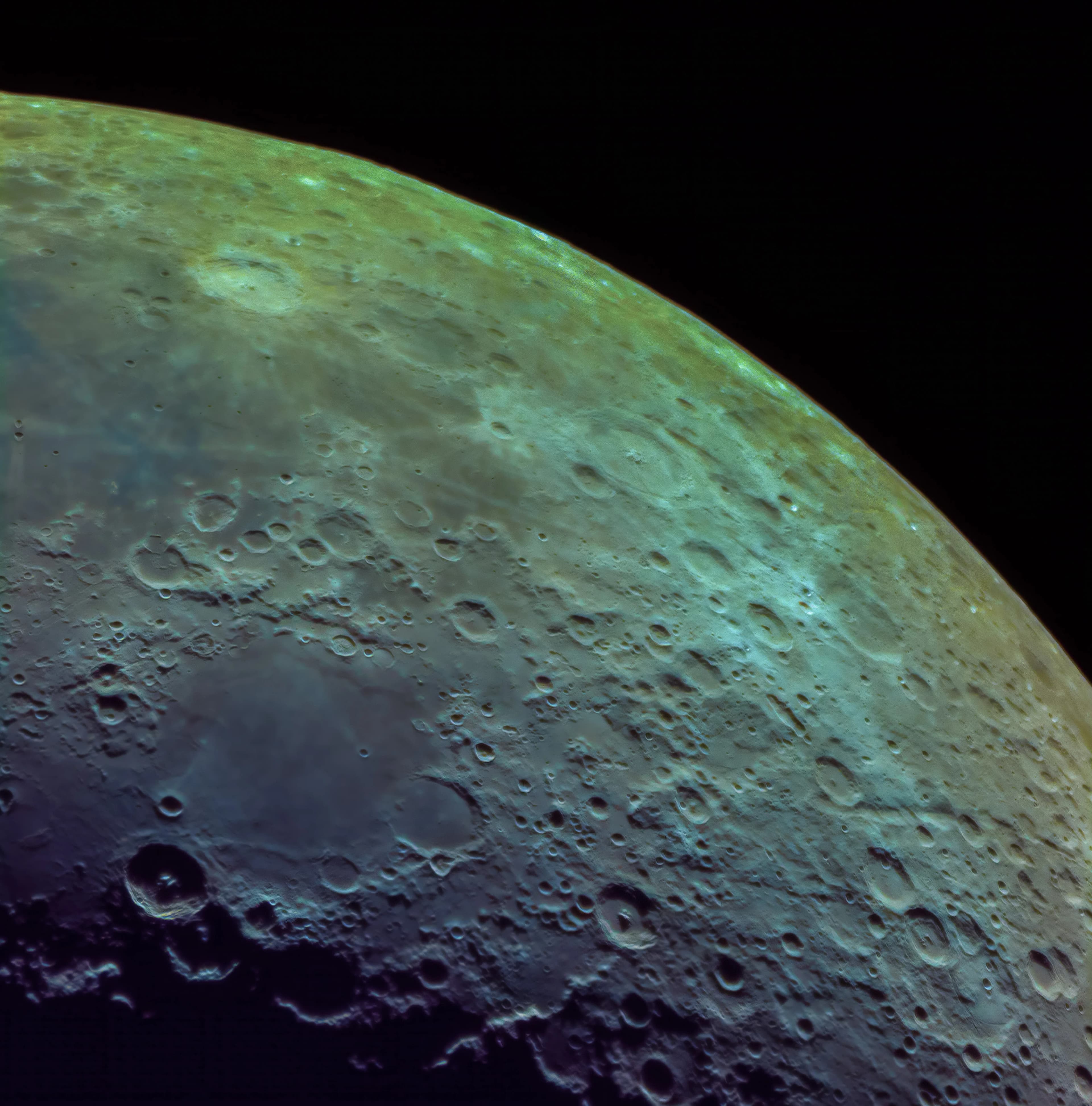
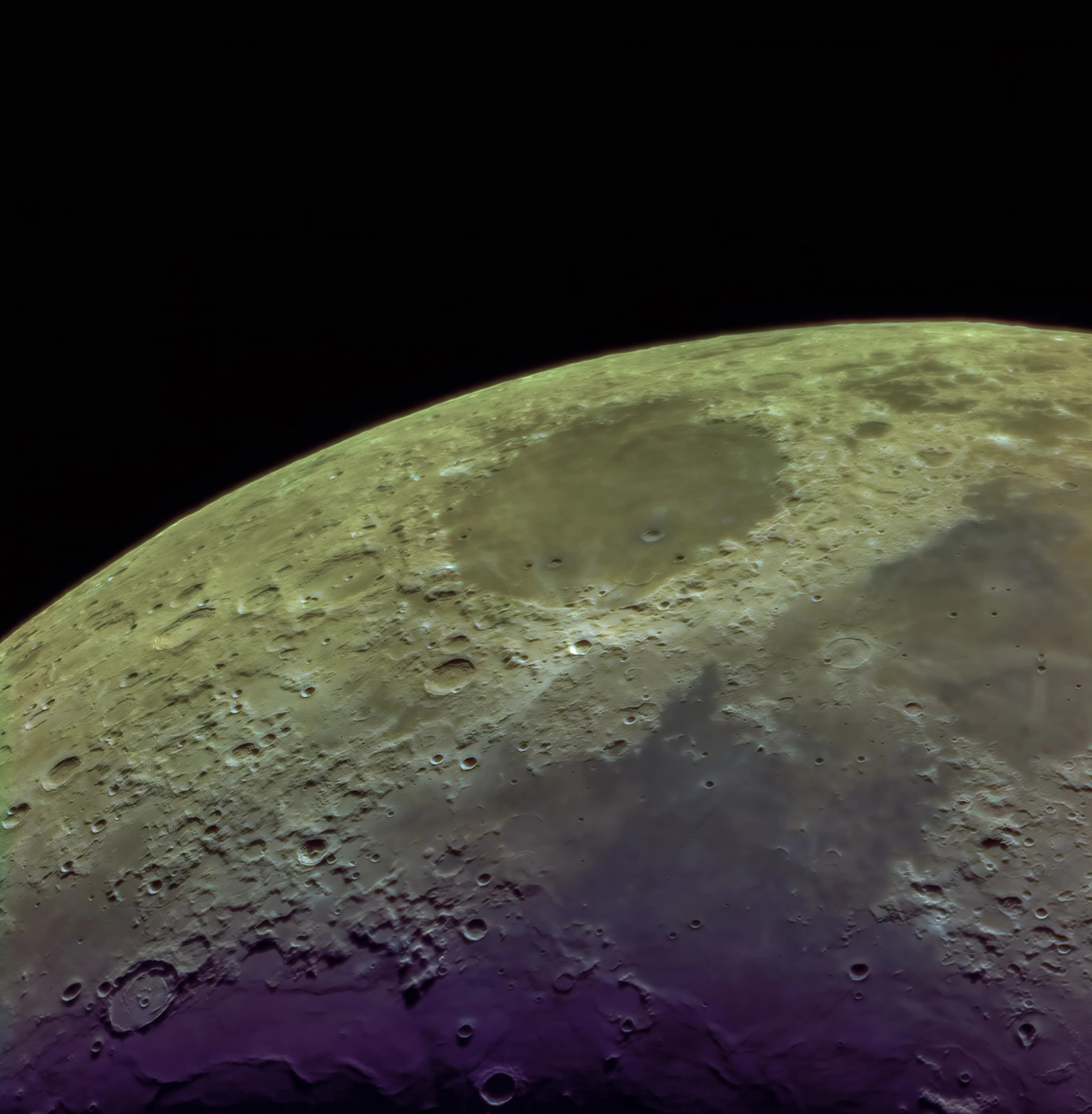
Detailed mineral moon crop showing heavily cratered highlands and varied geological color compositions.
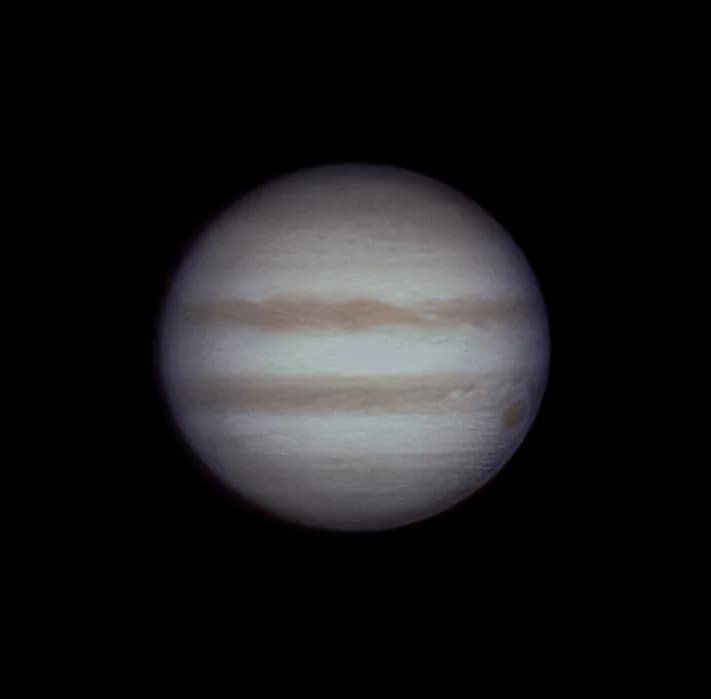
The planet Jupiter showing distinct equatorial bands.
Melotte 15, the central star cluster powering the Heart Nebula (IC 1805).
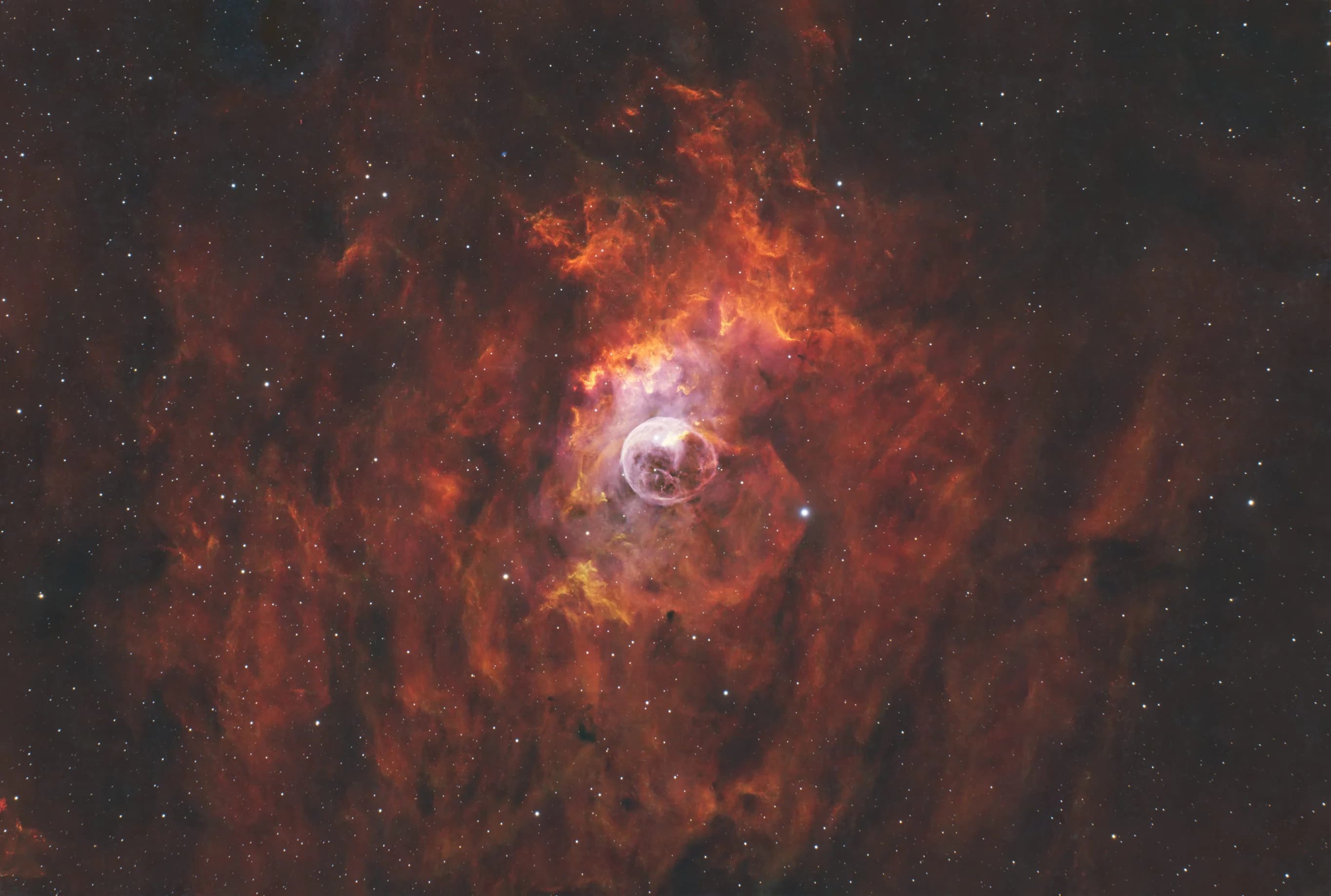
The Bubble Nebula (NGC 7635) emission nebula in Cassiopeia.
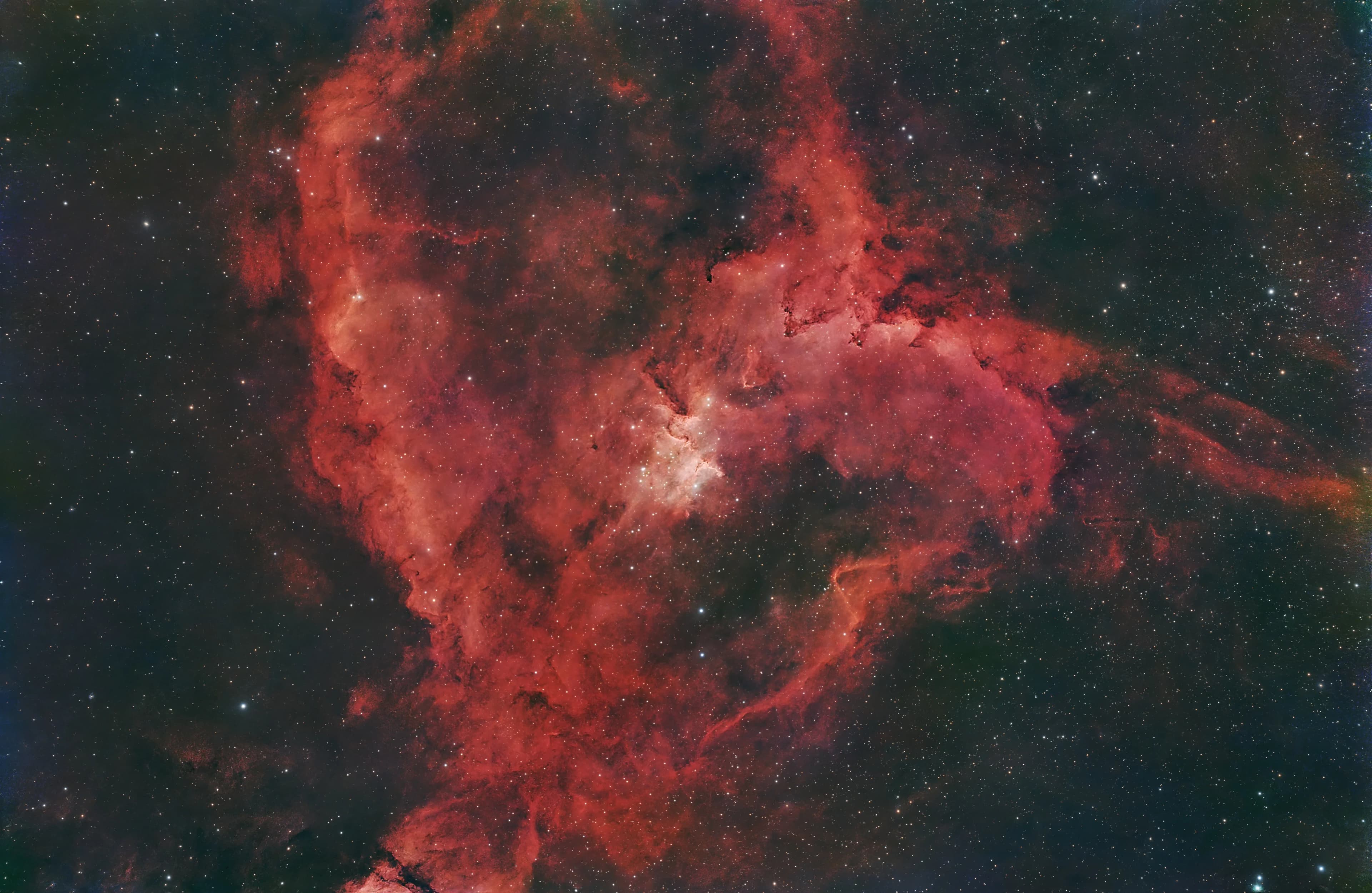
The Heart Nebula (IC 1805) emission complex captured in deep red narrowband hydrogen-alpha light.
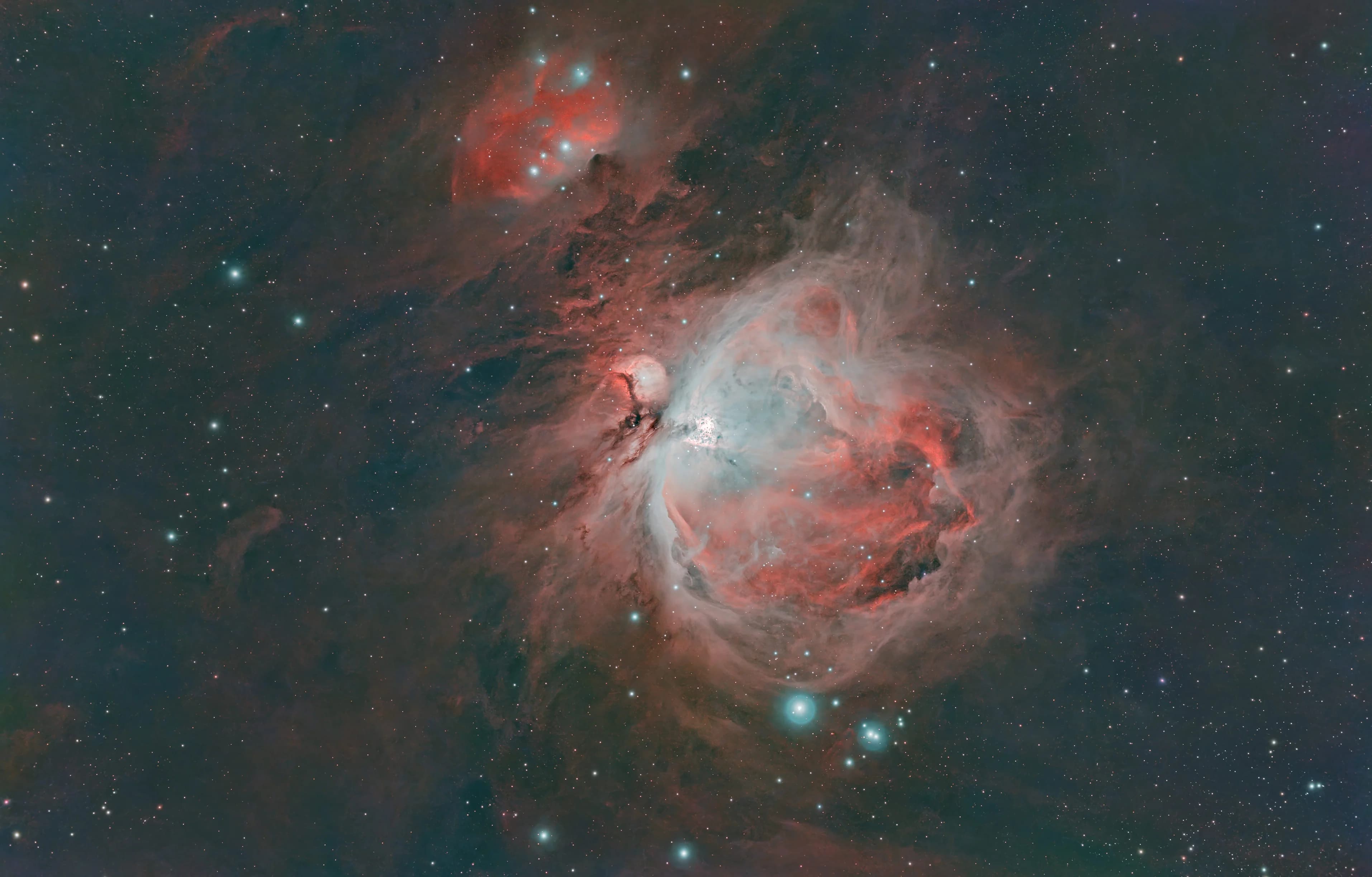
The Orion Nebula (M42) and the Running Man Nebula (NGC 1977) showing deep dust structures.
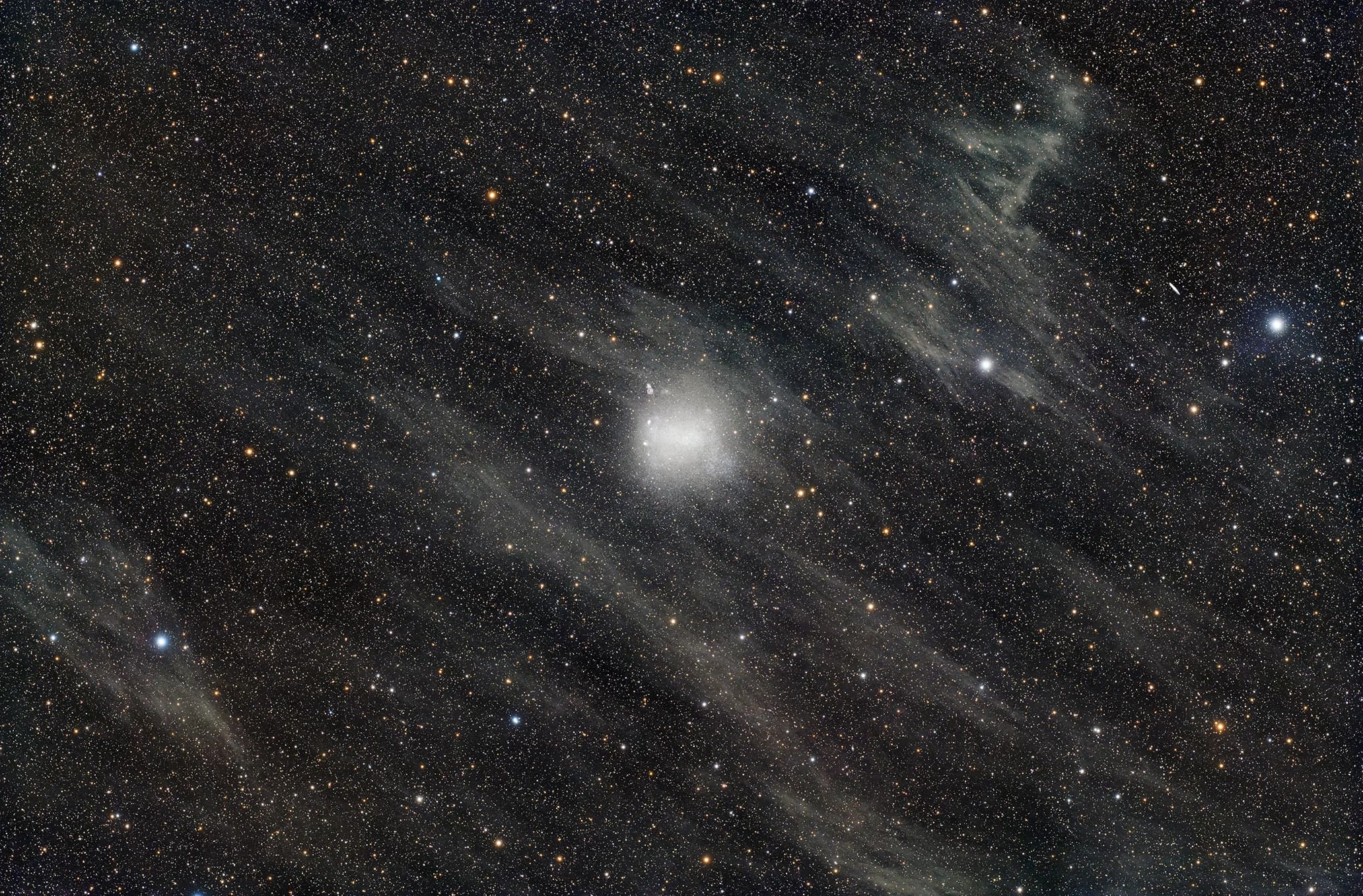
Barnard's Galaxy (NGC 6822), a barred irregular galaxy in the Local Group.
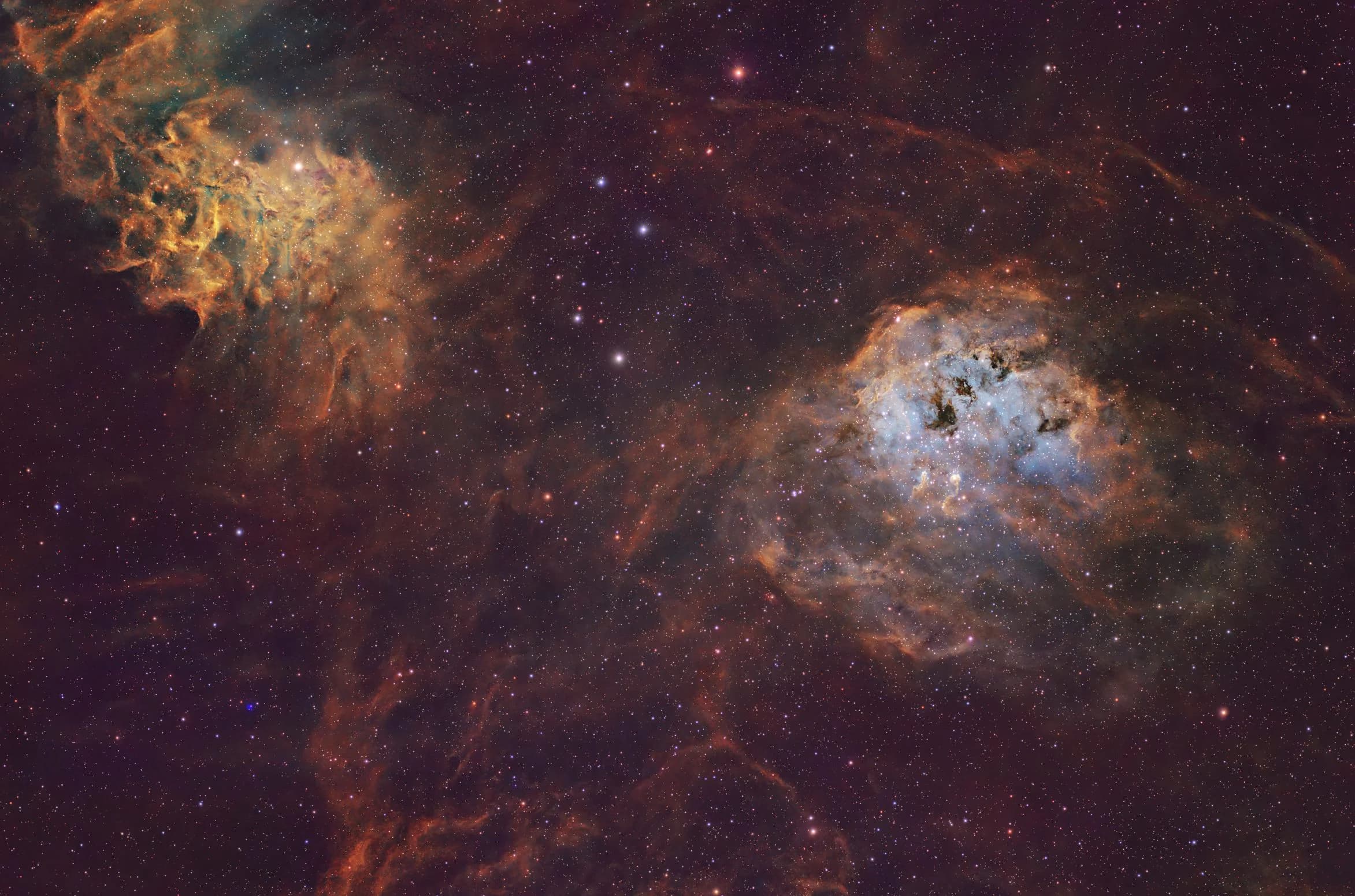
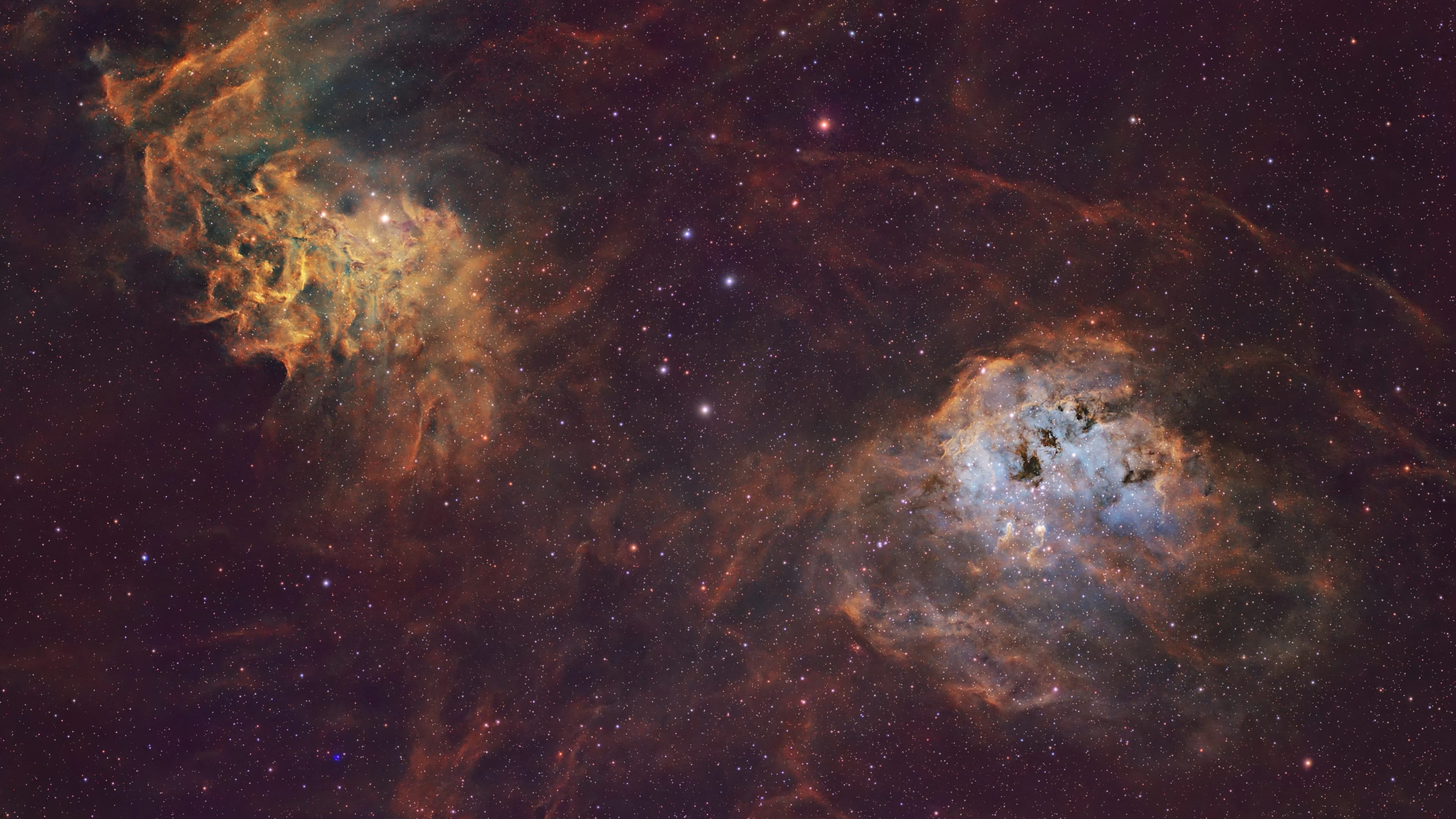
Wide-field SHO palette image of the Flaming Star Nebula (IC 405) and Tadpole Nebula (IC 410) in Auriga.
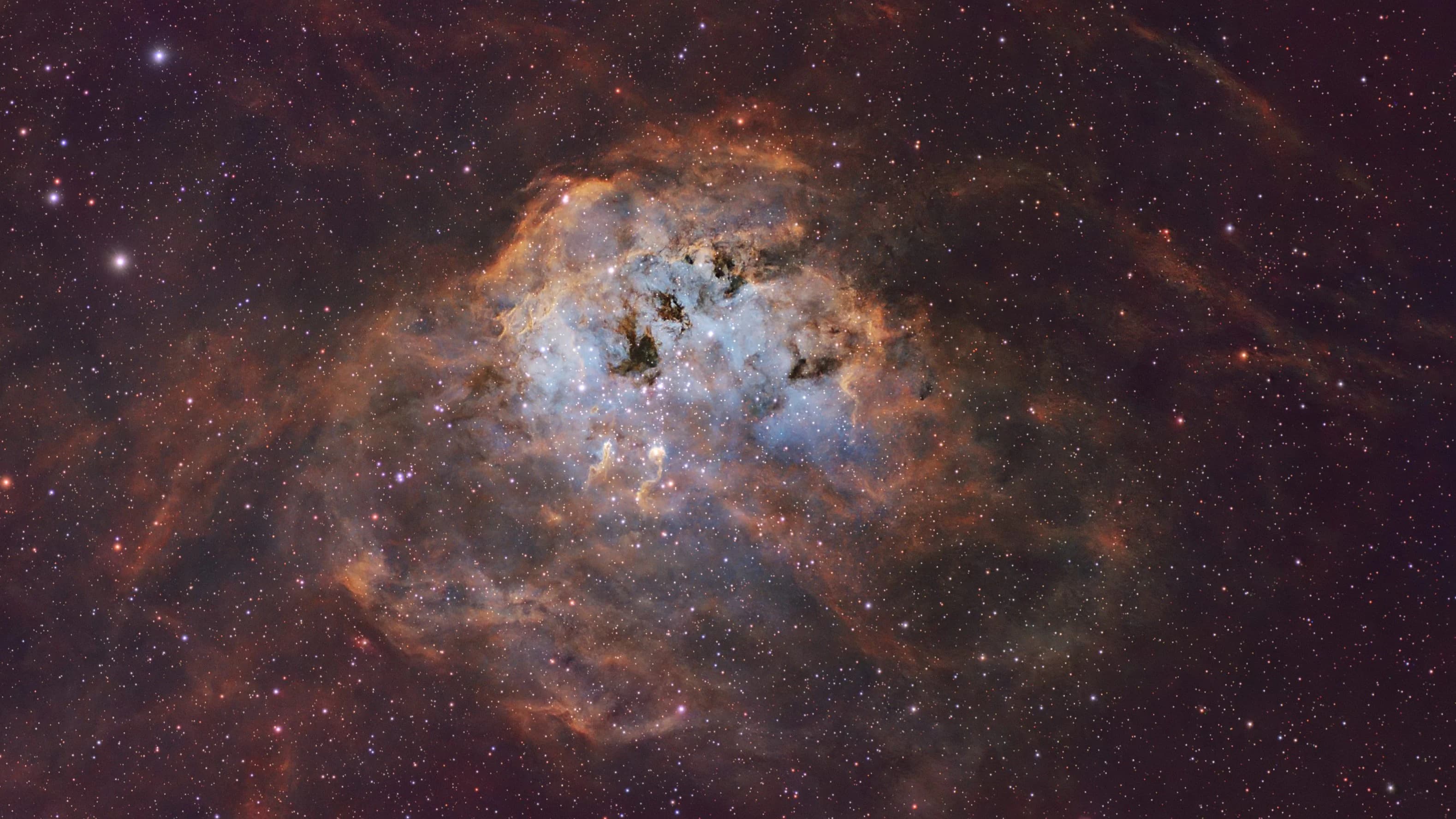
Detailed SHO palette image of the Tadpole Nebula (IC 410) showing the distinct dusty tadpole structures.
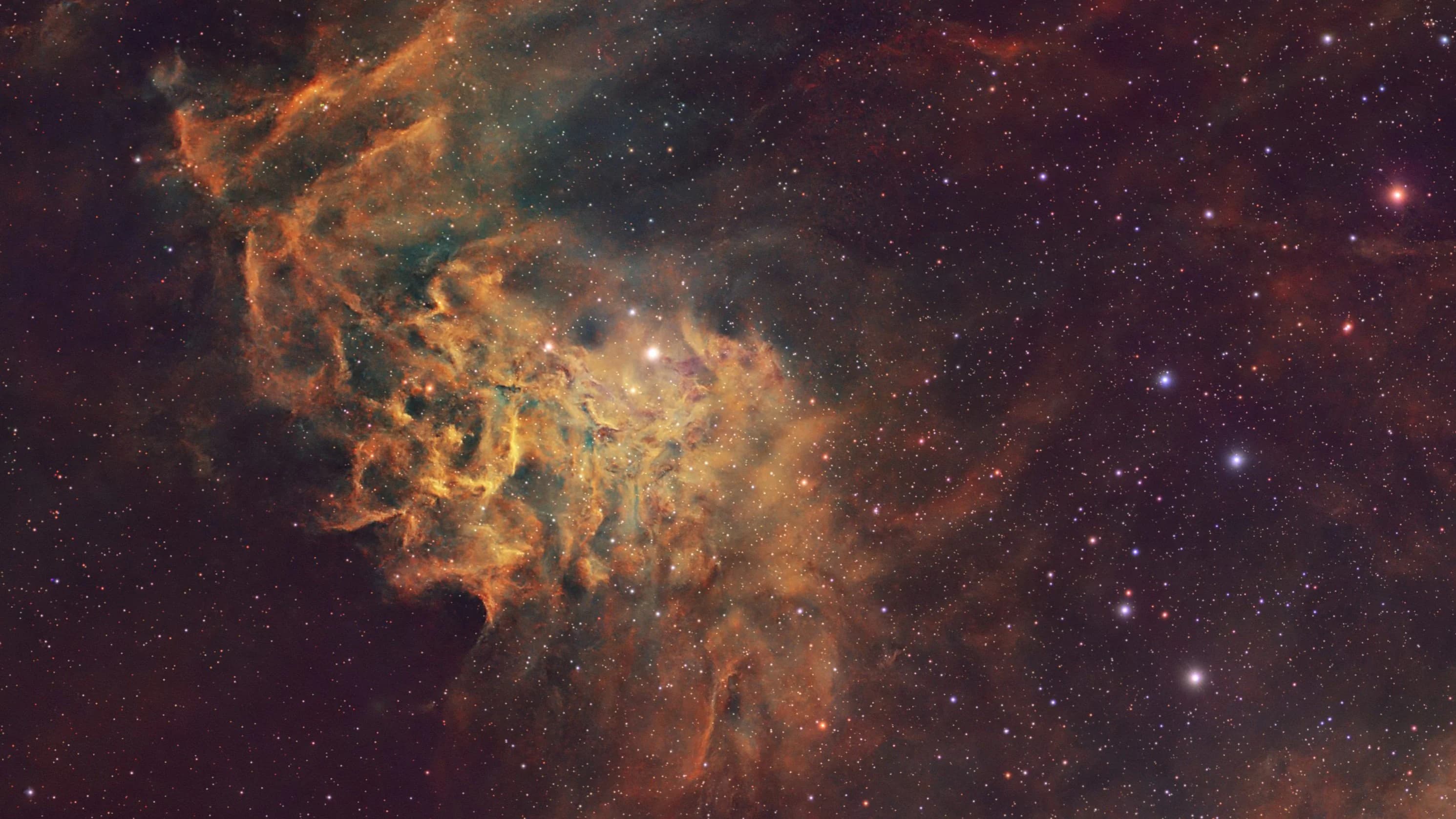
Detailed SHO palette image of the Flaming Star Nebula (IC 405) illuminated by AE Aurigae.
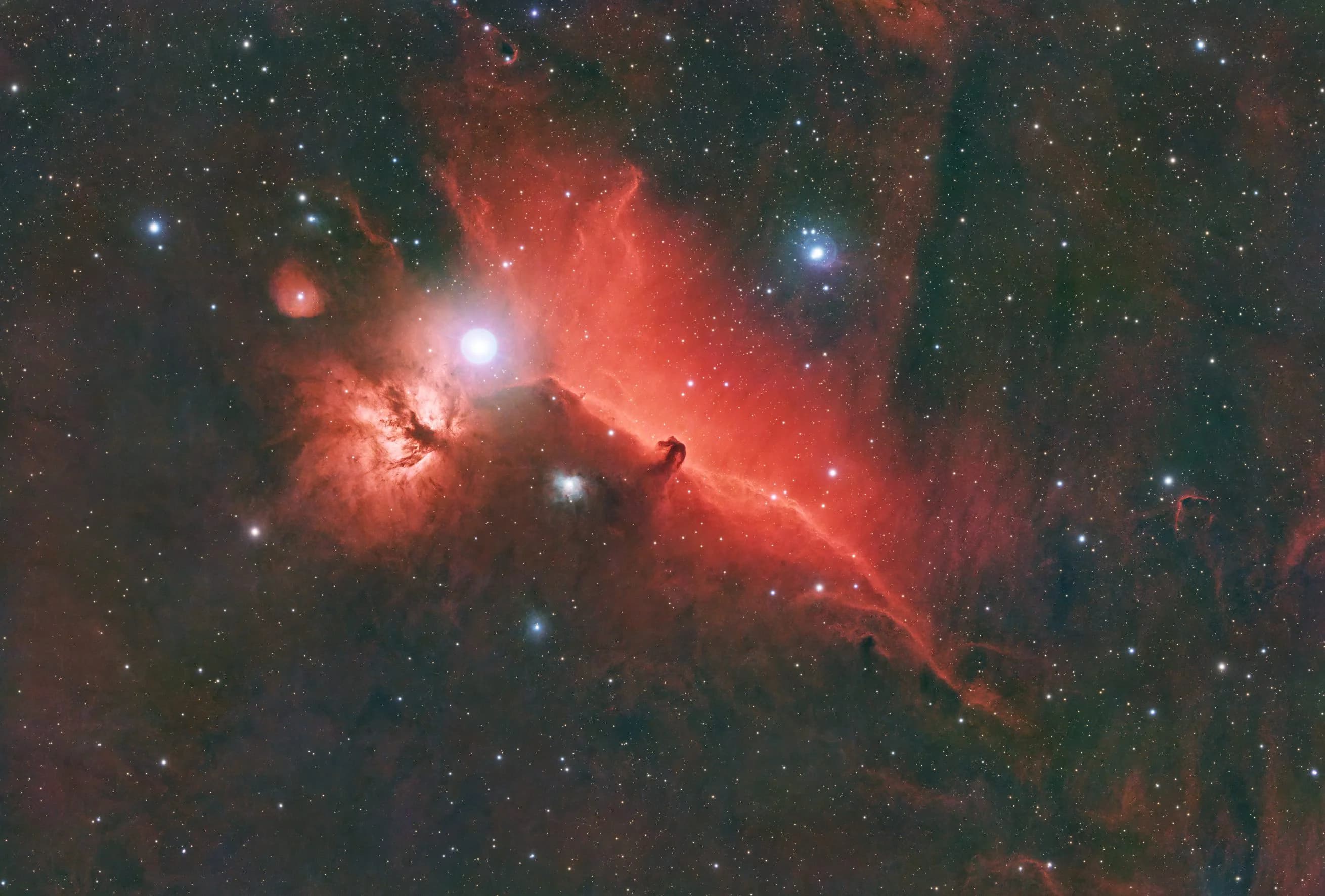
The Horsehead Nebula (Barnard 33) and the Flame Nebula (NGC 2024) in the Orion Molecular Cloud Complex.
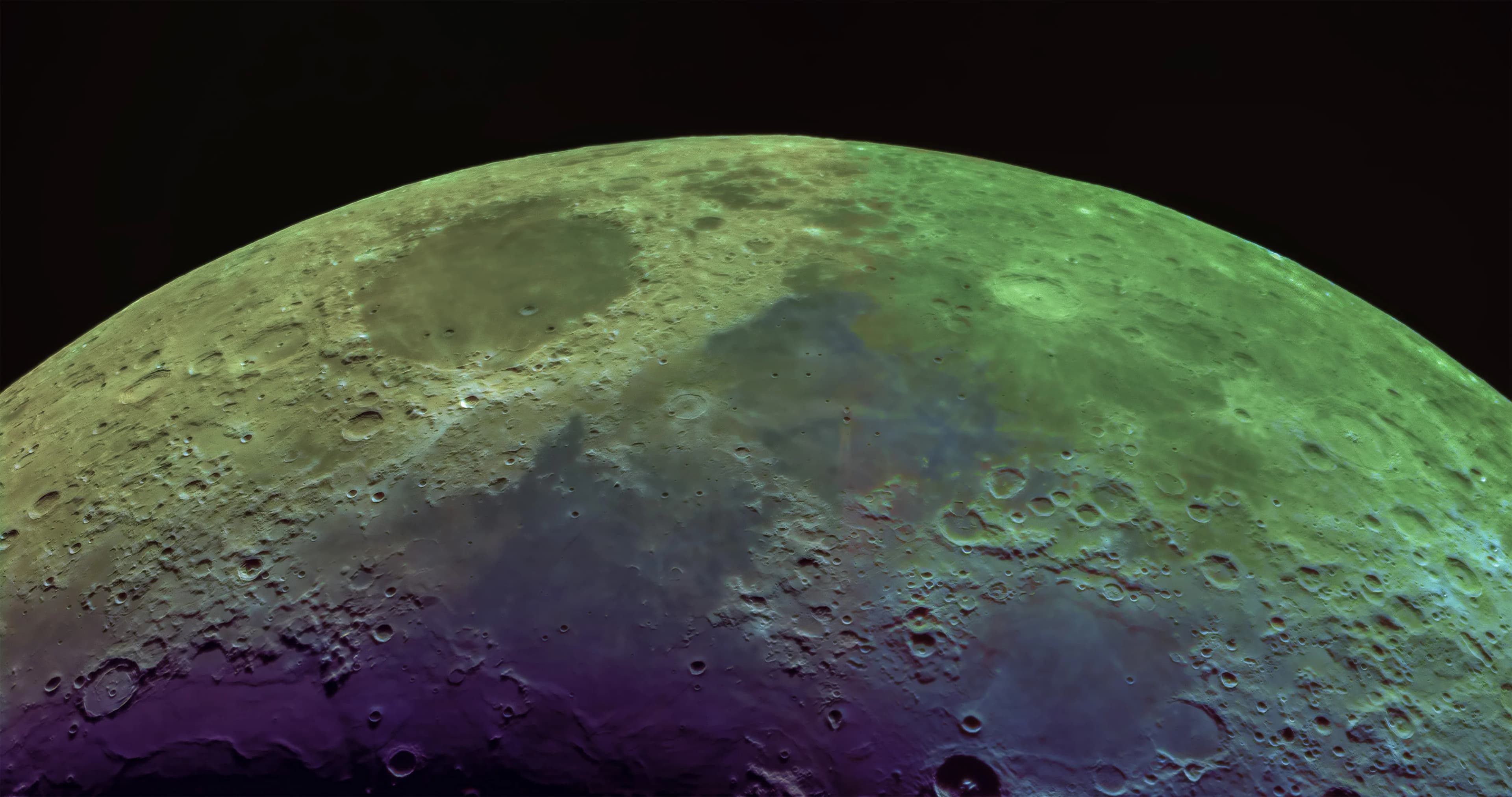
A wide lunar mosaic processed in mineral colors to show the geological diversity of the lunar surface.
High-resolution mineral moon capture highlighting the varied titanium and iron deposits across the lunar maria.
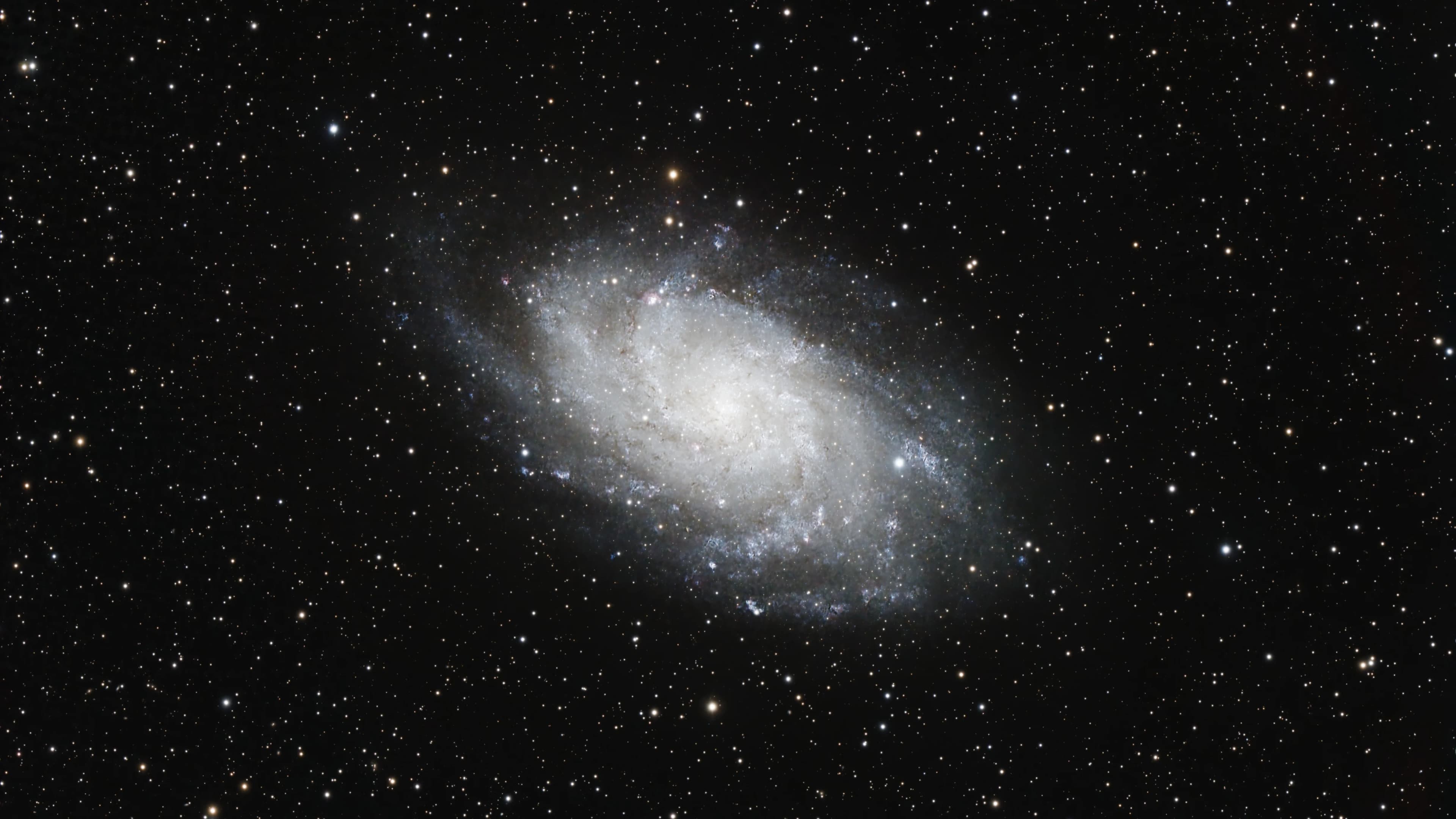
The Triangulum Galaxy (M33) face-on spiral galaxy showing bright blue star clusters and red HII star-forming regions.
Barnard's Galaxy (NGC 6822), a barred irregular galaxy in the Local Group.
The Heart Nebula (IC 1805) emission complex captured in deep red narrowband hydrogen-alpha light.
High-resolution mineral moon capture highlighting the varied titanium and iron deposits across the lunar maria.
Bode's Galaxy (M81) and the Cigar Galaxy (M82) interacting in Ursa Major.
A wide lunar mosaic processed in mineral colors to show the geological diversity of the lunar surface.
Extreme close-up of the lunar terminator showing long shadows cast by deep craters along the limb.
The Triangulum Galaxy (M33) face-on spiral galaxy showing bright blue star clusters and red HII star-forming regions.
The Crescent Nebula (NGC 6888) emission nebula in Cygnus.
The Bubble Nebula (NGC 7635) emission nebula in Cassiopeia.
The Horsehead Nebula (Barnard 33) and the Flame Nebula (NGC 2024) in the Orion Molecular Cloud Complex.
Wide-field SHO palette image of the Flaming Star Nebula (IC 405) and Tadpole Nebula (IC 410) in Auriga.
The Jellyfish Nebula (IC 443) supernova remnant mapped in the Hubble SHO palette.
The planet Jupiter showing distinct equatorial bands.
Detailed SHO palette image of the Tadpole Nebula (IC 410) showing the distinct dusty tadpole structures.
Melotte 15, the central star cluster powering the Heart Nebula (IC 1805).
The Seagull Nebula (IC 2177) processed in a Dynamic HOO palette to highlight faint oxygen emissions.
The Orion Nebula (M42) and the Running Man Nebula (NGC 1977) showing deep dust structures.
Detailed mineral moon crop showing heavily cratered highlands and varied geological color compositions.
The Andromeda Galaxy (M31) and its satellite galaxies M32 and M110.
Detailed SHO palette image of the Flaming Star Nebula (IC 405) illuminated by AE Aurigae.